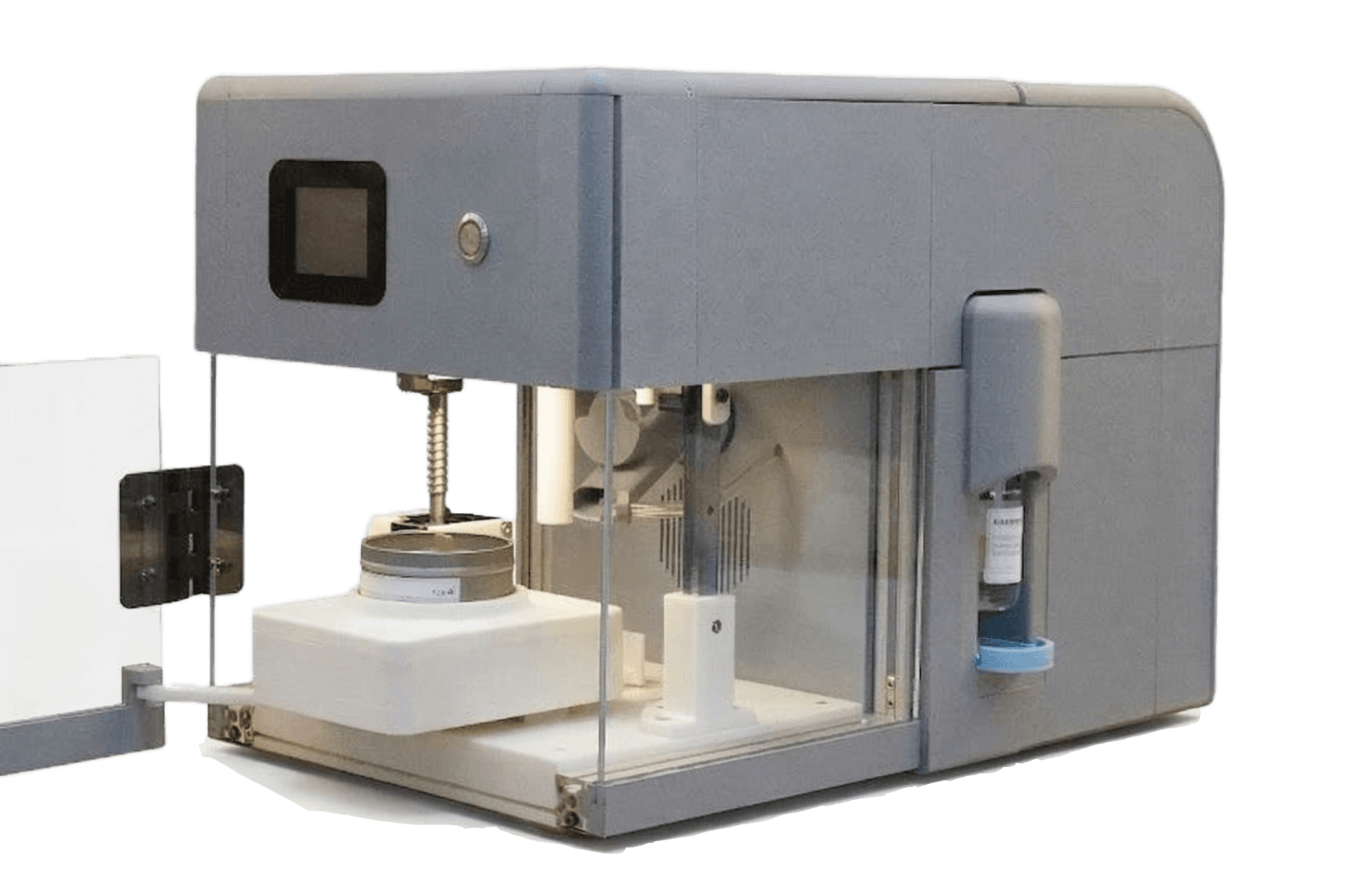
Candles are deeply personal objects. They mark rituals, hold memories, and shape atmosphere in a way few products do. Candl was designed to honor that, built for hobbyists who want to make something truly their own, with a low enough barrier to entry that the machine helps that experience rather than complicates it.
Research & Direction
Mood boarding quickly revealed the breadth of what candles mean to people. Floral and fresh scents pulled toward minimalist and modern references. Fruity scents toward something playful. Woody, earthy, and spicy scents toward rustic and grounded aesthetics. With such competing visual territories, designing toward any one of them would have alienated the others. Neutrality became a key theme: a palette and form language open enough that users could bring their own interpretation to it, whatever feeling their candle was meant to create.
Industrial Design
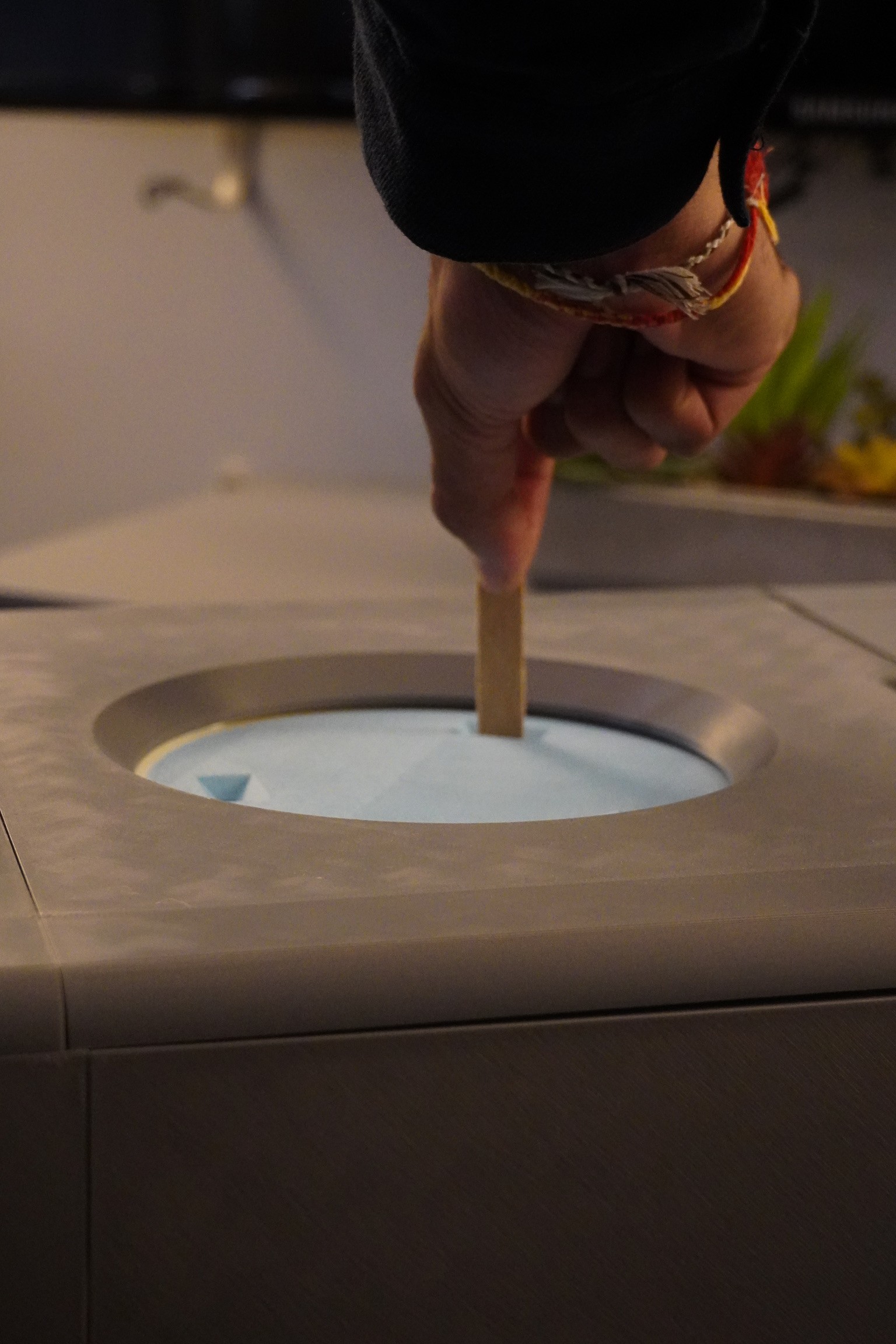
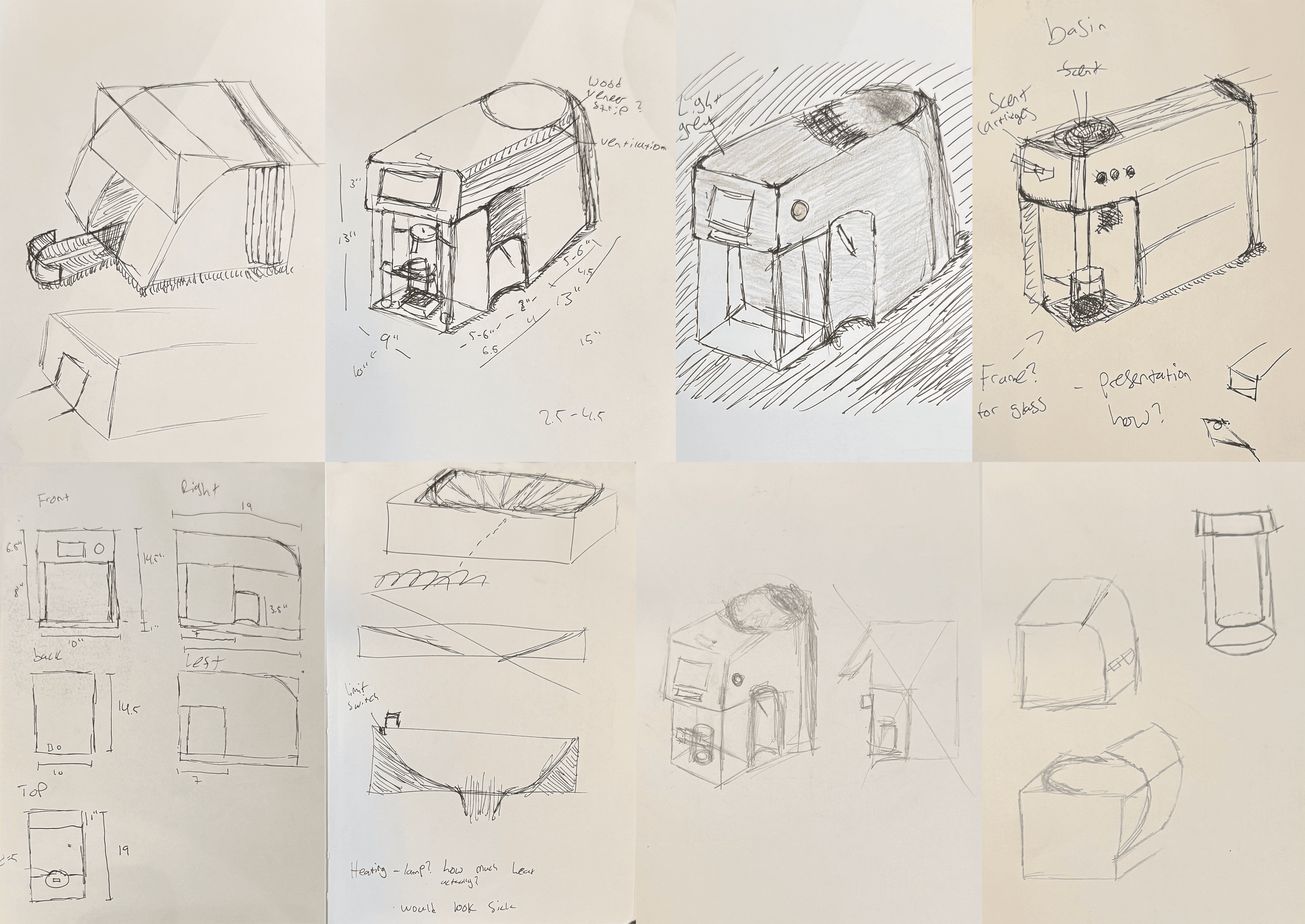
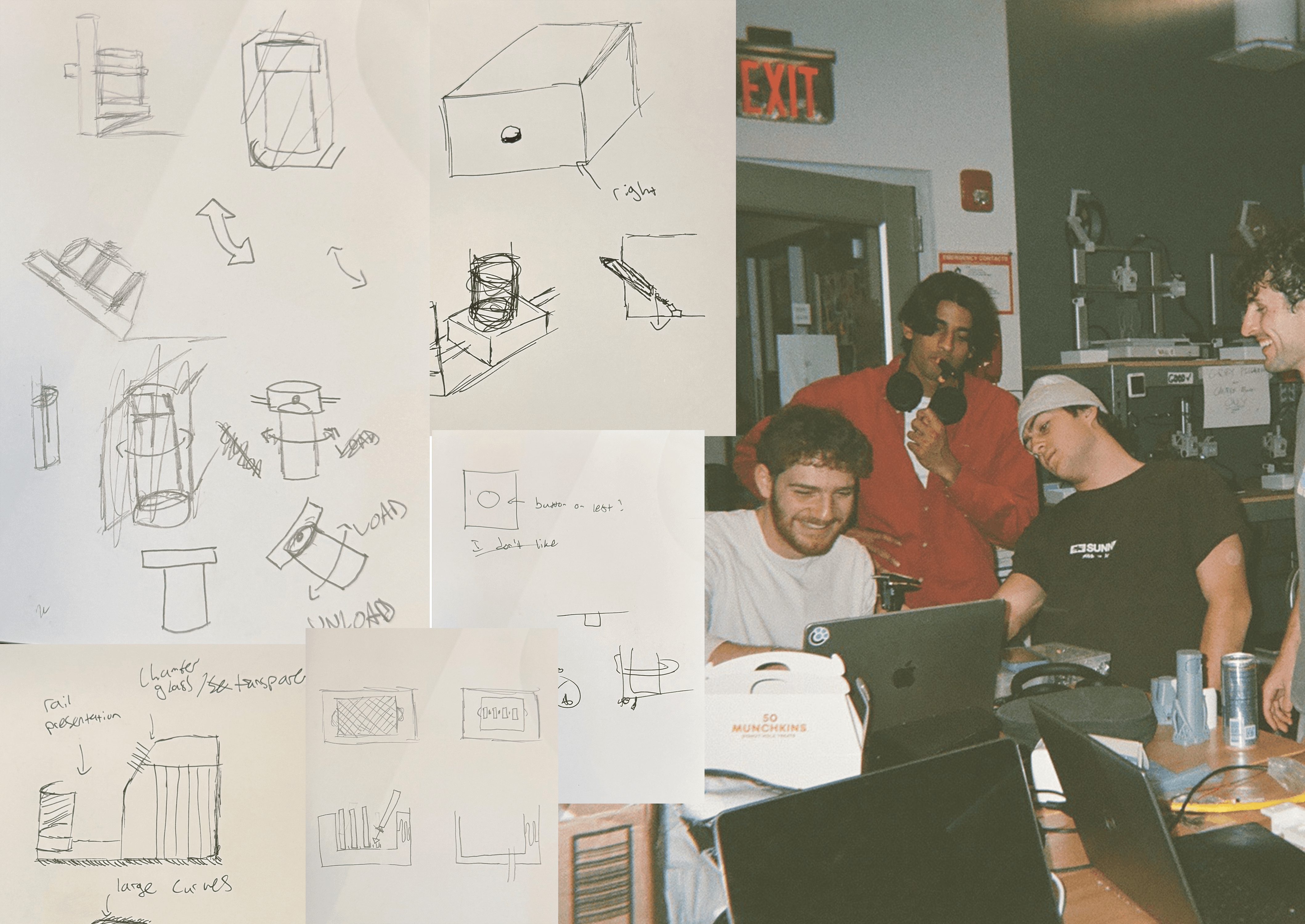
With a direction established I moved into sketching, iterating toward a form language centered on approachability. Early informal testing with teammates helped validate that the general architecture was reading the way I intended, that it felt inviting rather than industrial. From there, UX decisions began feeding back into the ID. The most defining example was the wax basin, a large rounded form at the rear of the machine that opens magnetically from the top, hinging upward to reveal the full curve. What started as a mechanical need became one of the strongest formal moments in the design.
UX & Cross-functional Collaboration
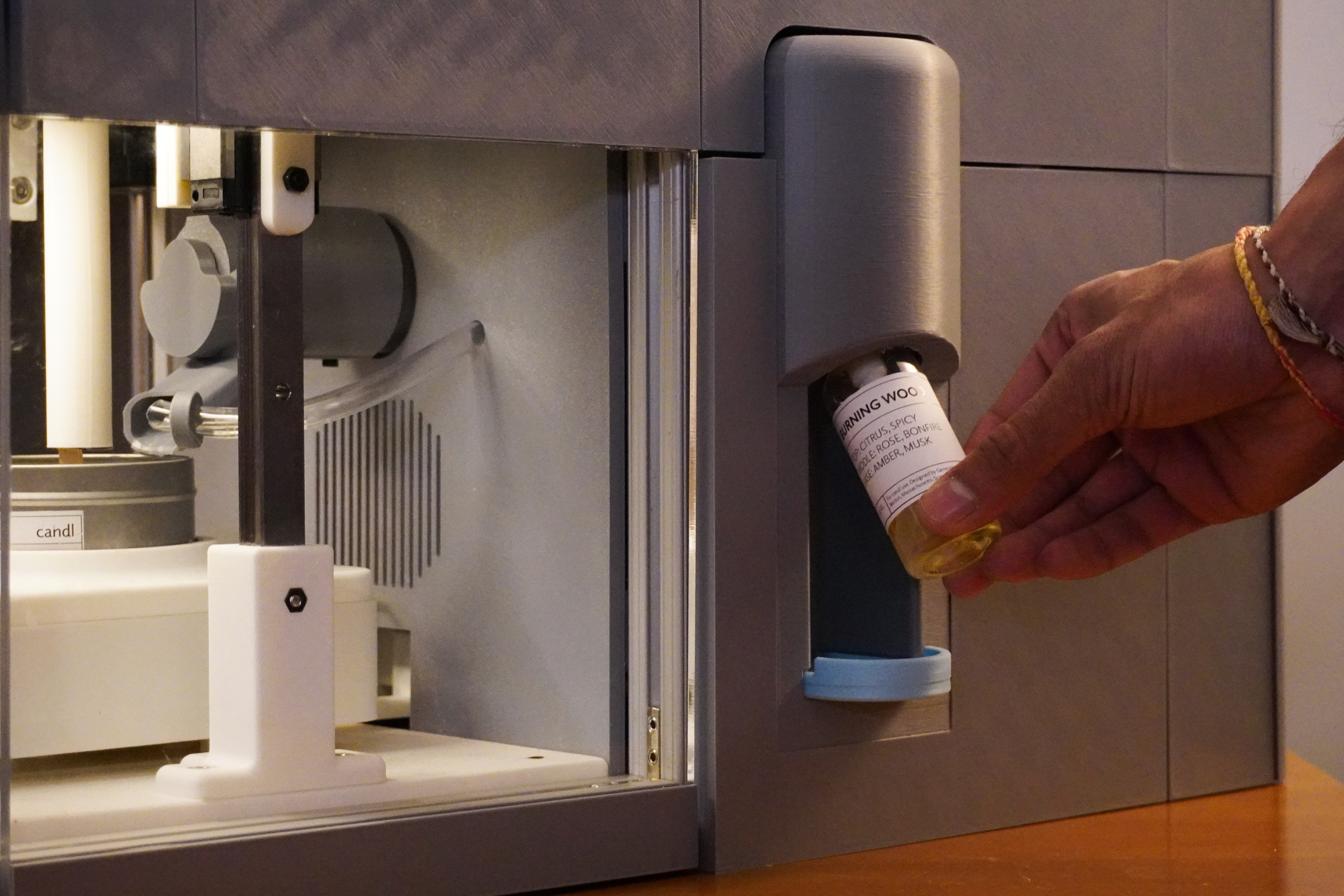
As the mechanical engineers developed their subsystems, I stayed closely involved to bring a UX perspective into the process early. An example was the scent bottle, a cartridge users would swap out regularly. I wanted it to sit semi-flush and feel integrated, but that created a question of how someone would actually remove and replace it repeatedly. I proposed hinging the bottle, giving the user a full axis of rotation and the leverage needed to screw and unscrew it comfortably rather than working within a confined space. Those kinds of conversations allowed for seamless integration of an easy-to-use product.
CMF
Color, material, and finish decisions followed the same neutrality principle from research. The enclosure was 3D printed in matte PLA, chosen over standard glossy filament for a more finished, professional quality. The enclosure stayed neutral throughout while all interaction points were finished in light blue, making touch points immediately readable, adding a playful quality, and reinforcing the approachability that guided the design from the start.
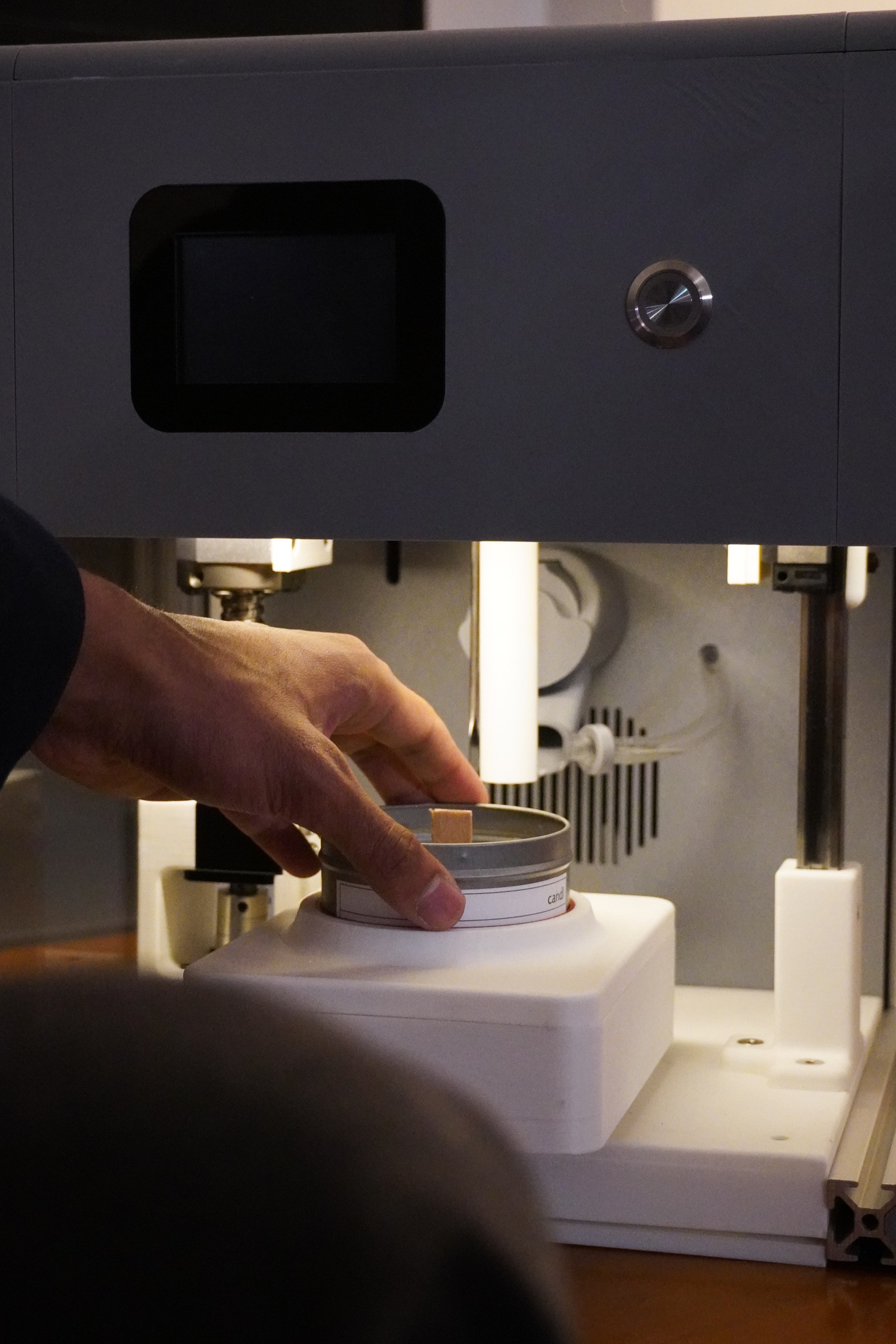
The final design features a hinging replaceable scent cartridge, playful touch points with intuitive color cues, a magnetic hinged wax basin, and a single-button interface that keeps the experience accessible regardless of technical comfort.
A mechanical door system extends the candle platform on open, celebrating the candle by presenting it to the user, while hidden metal structure and soft radii across the enclosure give the machine an approachability.
Beyond the design work, I was also responsible for the full technical execution of the enclosure. I modeled, printed, and assembled the full enclosure, with each panel connecting to the underlying 80/20 aluminum structure through a snap fit system I designed into the backs, allowing for modularity during testing without compromising the clean exterior.