Most of my work at Sonos supported products still in development, so I’m limited in what I can share. What I can talk about is the way I worked and what I learned from developing highly integrated consumer hardware.
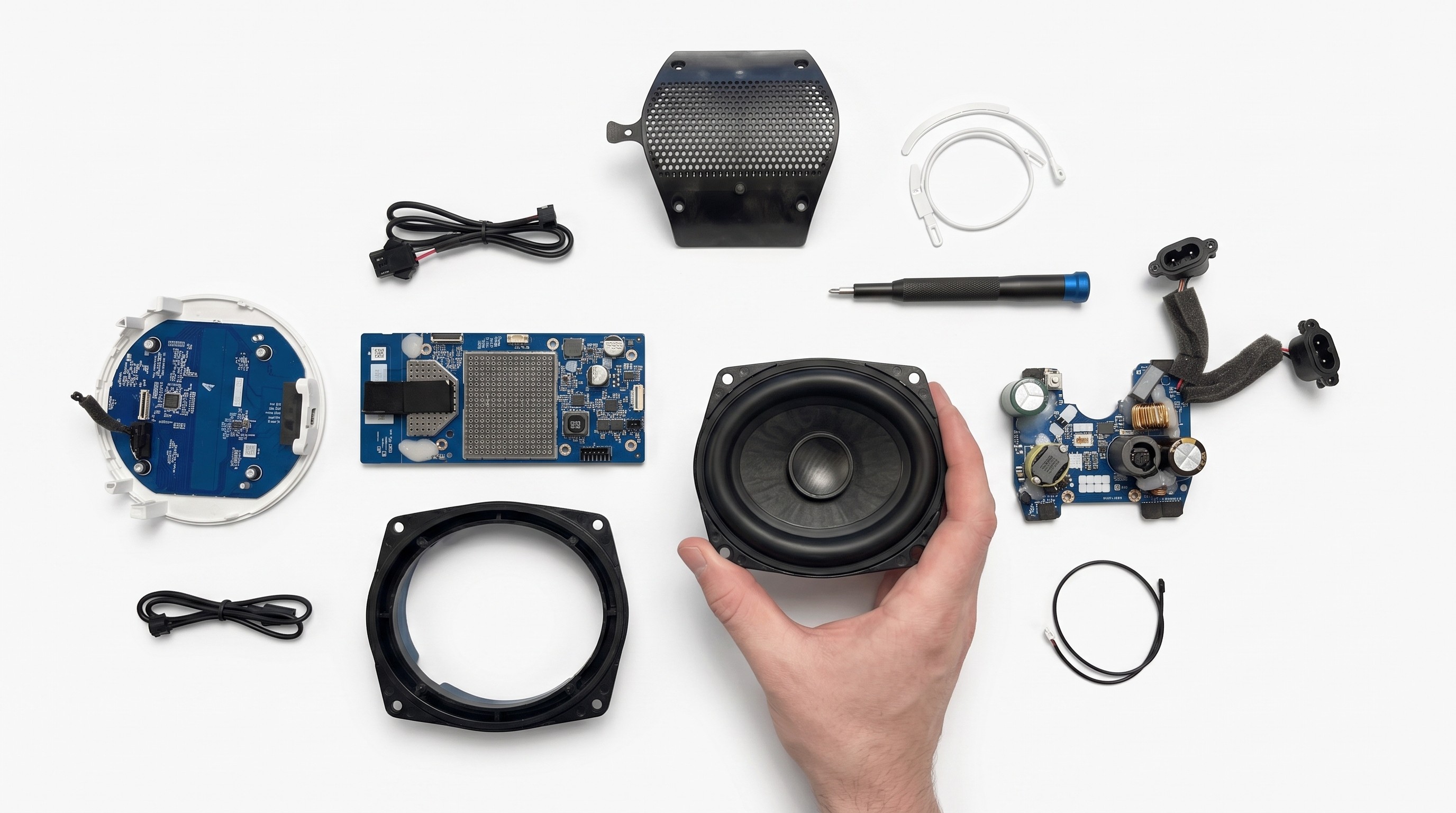
As a Mechanical Engineering Co-op, I worked on problems where mechanical decisions were closely tied to industrial design, electrical engineering, radio, UX, manufacturing, and DFM. With so many systems competing for limited space, even small changes could have effects across the entire product.
My work ranged from product durability testing and high-fidelity prototyping to mechanical packaging, system integration, and cross-functional test development. Throughout these projects, I worked closely with engineers and designers to turn product requirements and design intent into hardware that could be built, tested, and refined.
The experience taught me to look beyond an individual component and understand how each engineering decision contributes to the product as a whole.
This project began with a question from Industrial Design: how small could we make the foot while maintaining the durability required for the product?
Working collaboratively with ID, I explored different foot geometries and worked with global manufacturers and DFM teams to produce compression-molded silicone prototypes representative of the final manufacturing process.
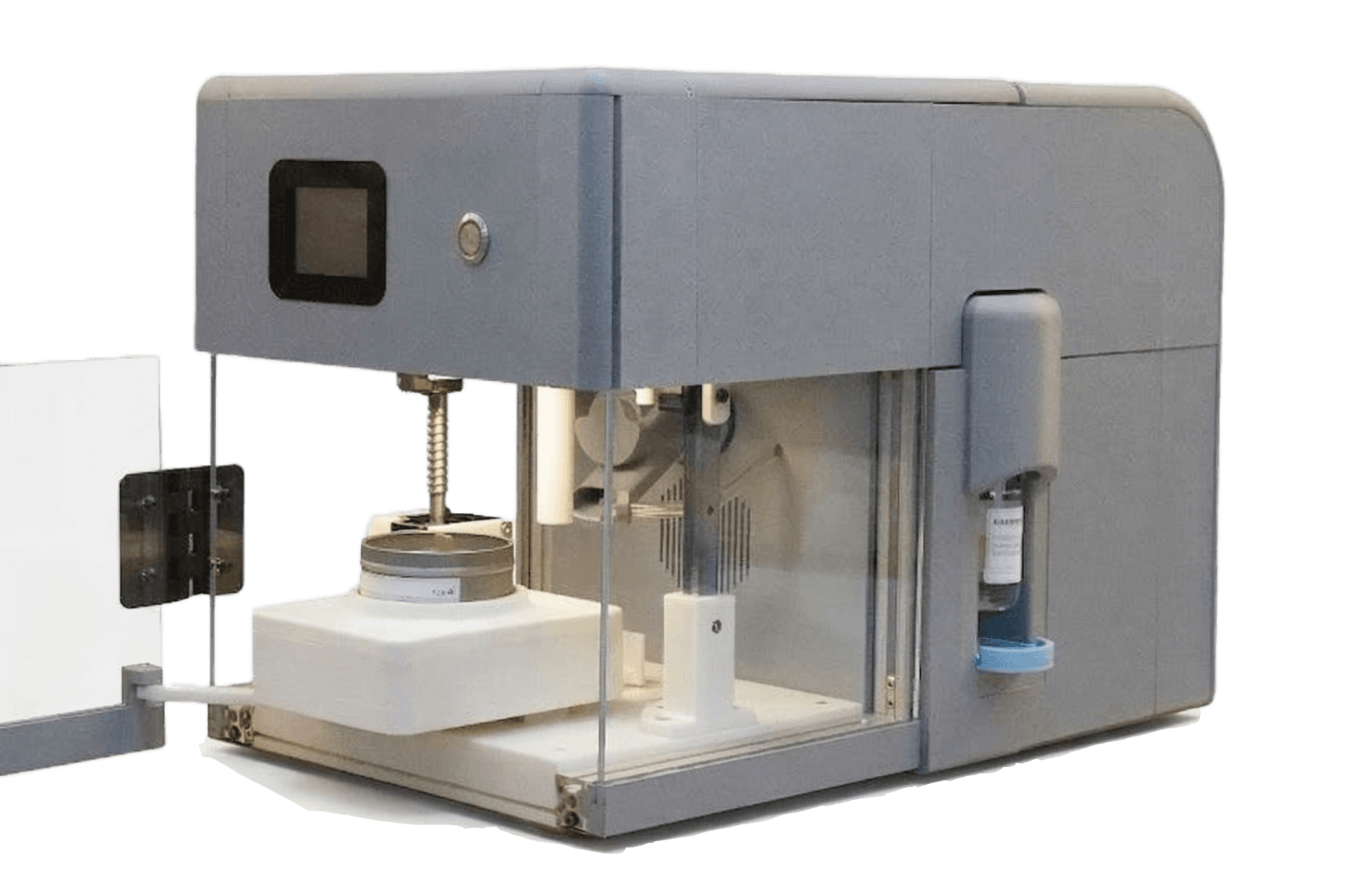
With prototypes in hand, I developed a test strategy to understand how changes in size affected mechanical performance. I designed test fixtures, ran qualification testing, analyzed failure modes, and used those results to guide further iterations to the geometry and material. Each round gave the team a better understanding of the relationship between size, geometry, material behavior, and durability.
Rather than engineering toward a predetermined size, the process created a feedback loop between Industrial Design and Mechanical Engineering. ID could explore the proportions they wanted for the product while we used physical testing to understand the engineering limits of those decisions.
Sonos changed the way I think about mechanical engineering. Working on tightly integrated consumer hardware made it clear that mechanical decisions rarely exist in isolation. Changes to geometry, component placement, or assembly can affect industrial design, electrical architecture, radio performance, manufacturability, and ultimately the experience of the product.
Working with Industrial Design, Electrical Engineering, Radio Engineering, UX, manufacturing, and DFM pushed me to think beyond whether an individual component simply worked. Whether I was developing prototypes with ID, optimizing PCBA placement with EE, or building test fixtures with the Radio team, each project required understanding how mechanical decisions affected the larger system.
That experience reinforced the kind of product development I want to pursue: working between engineering and design to develop products where technical decisions, physical form, and user experience are considered together.